Tongue Speaking and Praying in the Holy Ghost
Introduction
The foundation of the first church was firmly established in the Holy Ghost. Jesus instructed His followers in Luke 24:49 to “tarry in Jerusalem,” emphasizing the importance of waiting for the Holy Spirit. This pivotal event is recorded in Acts 2:1-14, where the church experienced a powerful outpouring of the Holy Spirit on the day of Pentecost. During this time, various gifts of the Spirit were manifested, leading to further spiritual gifts such as healing, deliverance, miracles, and prophecies in churches like those in Corinth, Thessalonica, and Philippi. However, after the apostles’ era, many of these gifts seemingly disappeared. This raises important questions: Where did these gifts go? How did they vanish?
Such mysteries often lead to skepticism regarding healing, miracles, and prophecy, especially as Christianity evolved, particularly with the rise of the Roman Empire.
Understanding Tongue Speaking
What is tongue speaking? Is it merely the articulation of human languages? Over time, outrageous claims have been made about this phenomenon. Some dismiss tongues as nonsensical utterances made by preachers who have lost their train of thought. Others regard it as meaningless babble, while some even consider it demonic. The debate surrounding tongue speaking is one of the most fiercely contested topics in Christianity. Are these practices heretical or outdated? Were they abolished at some point in scripture? Instead of relying solely on academic interpretations, I will explore these questions through biblical texts.
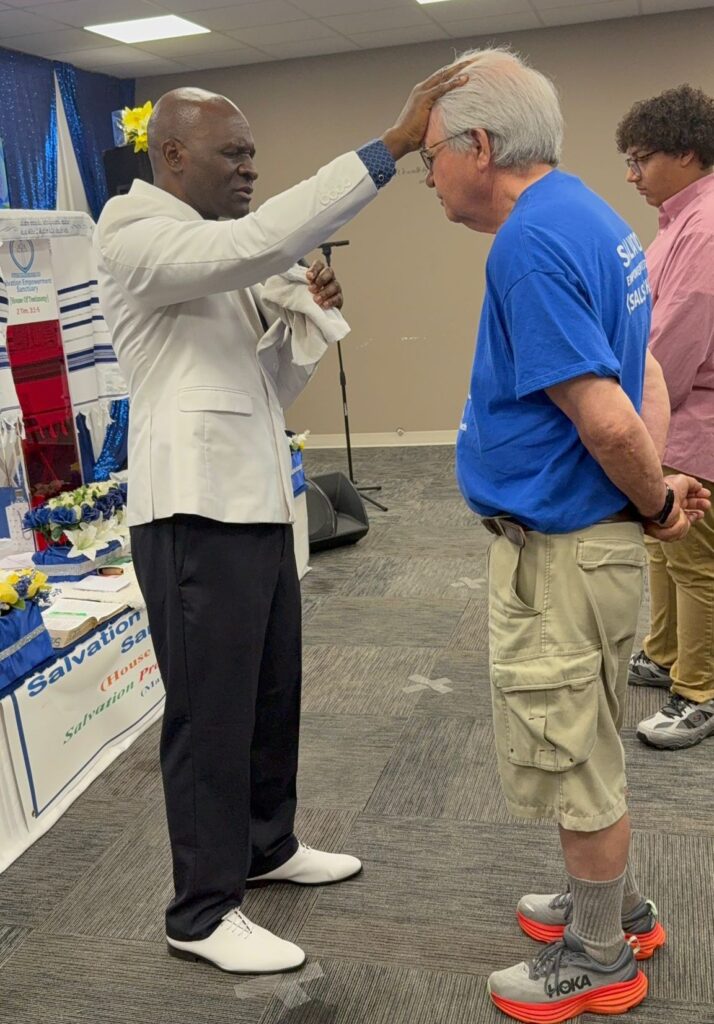
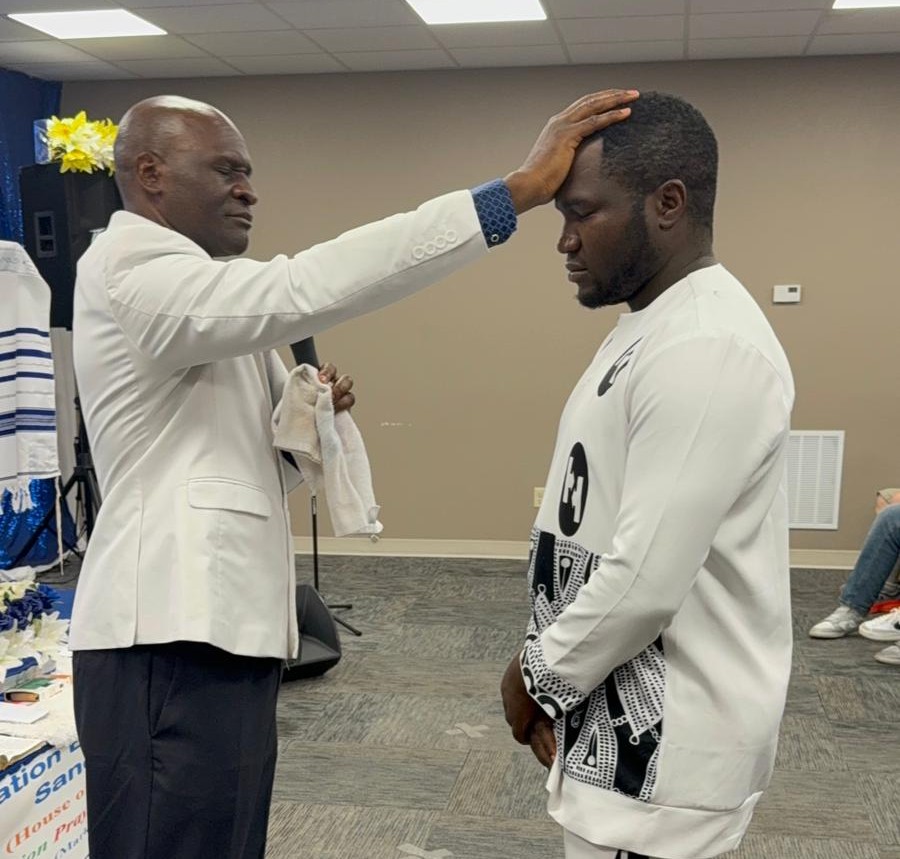
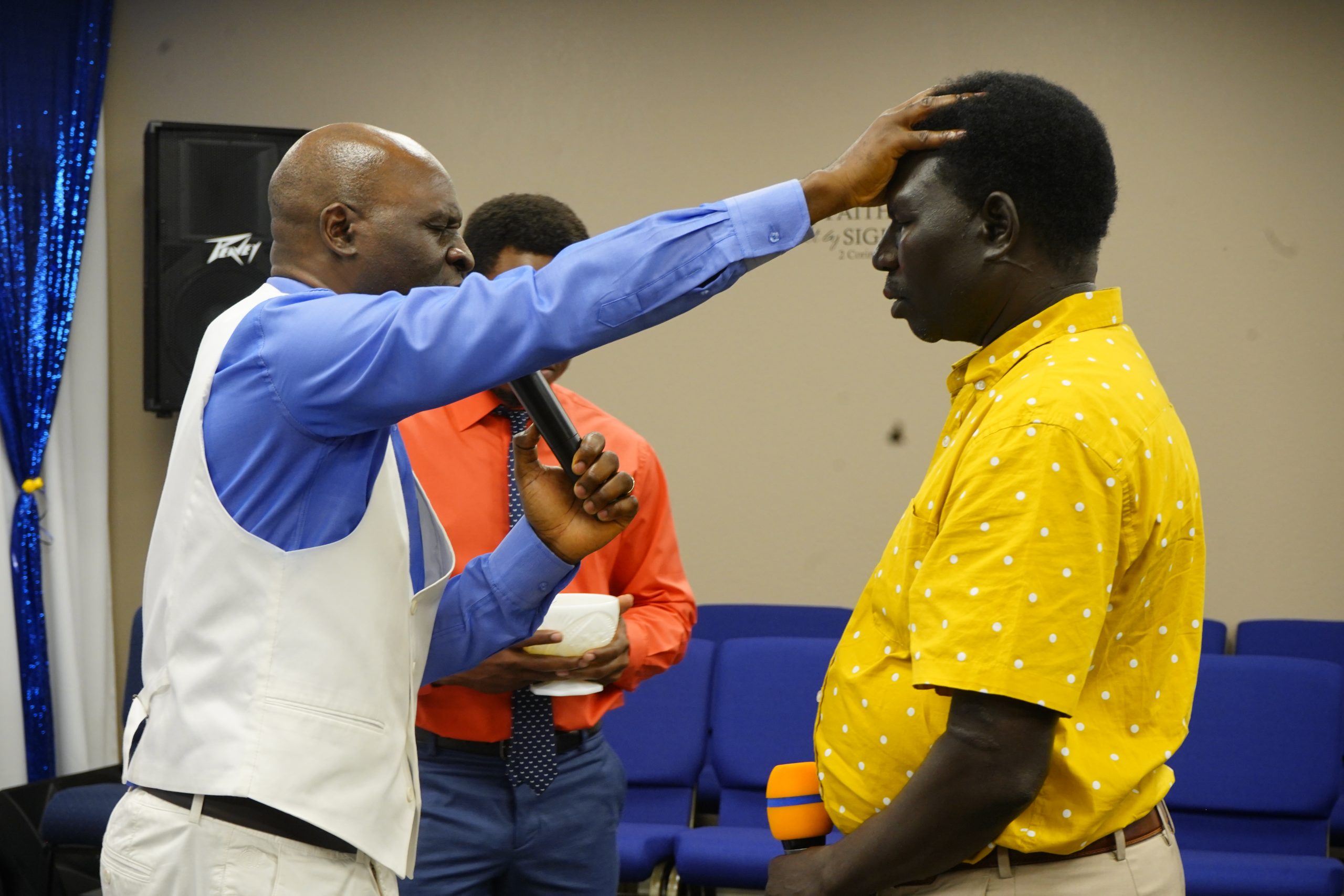
In essence, speaking in tongues is more profound than many realize. In Mark 16:17, Jesus declares, “These signs shall follow those who believe; they shall speak in new tongues.” Here, “new tongues” refers to speaking in the Spirit, where the Spirit speaks through the individual. This mode of expression is known as tongues and is often acquired through prayer and the laying on of hands, as demonstrated in Acts 19:6, where Paul lays his hands on believers, and they speak in tongues and prophesy. Peter also affirms this in Acts 11:15, noting how the Holy Spirit fell on them just as it did at Pentecost.
The Biblical Origin of Tongue Speaking
The first instance of tongue speaking is recorded in Acts 2:4. While the term “tongues” can denote human languages, the tongues referenced in Acts 2 and throughout the Bible extend beyond mere human languages. Acts 10:46 states, “For they were hearing them speaking in tongues and extolling God.” The emphasis here is on the act of speaking in tongues, not just human languages. If tongues solely referred to human languages, why emphasize the distinction?
The tongues spoken in Acts 2:4-12 were not merely human languages, as further biblical evidence will show. This was the first instance where tongues were used as an evangelistic tool—a sign for unbelievers. The term “unbeliever” is critical in understanding the context of evangelism. The listeners were not yet believers; thus, God provided a supernatural sign to demonstrate His power.
The Confusion Surrounding Tongue Speaking
Many misunderstand the nature of tongue speaking, particularly regarding the observation that the crowd heard the apostles speaking in their native languages. This misinterpretation has led some denominations to assert that the tongues at Pentecost were human languages. However, many of these denominations may not have been led by the Holy Spirit to grasp the full meaning of tongue speaking. Spiritual matters must be discerned spiritually; otherwise, our intellects can lead us astray.